Tree Roots in Drains: Signs, Risks and Repairs in Derby
Homeowners across Derby and Derbyshire often face drainage issues caused by an unlikely culprit – tree roots. While trees enhance the beauty and environment of local gardens from Mickleover to Darley Abbey, their roots can sometimes invade underground drains, leading to blockages and damage that are costly to repair.
Understanding how and why tree roots infiltrate drains is essential for spotting early warning signs and addressing problems before they escalate. This guide explores root ingress, the risks posed to drainage systems, common indicators of root damage, and the available repair solutions suitable for properties in Derby and nearby areas.
How and Why Tree Roots Enter Drains
Tree roots naturally seek out water and nutrients to sustain growth, often extending their reach well beyond the visible boundaries of the tree itself. Underground drains, especially older ones made from clay or damaged pipes with small cracks, provide an inviting source of moisture. Over time, roots detect this moisture and can penetrate tiny gaps or joints in the pipework.
In Derbyshire’s clay soil, which retains moisture, root invasion is a common issue. Properties in areas like Chellaston and Allestree, where mature trees are plentiful, often experience root ingress because tree roots grow aggressively searching for water during drier seasons. Once inside a drain, roots can spread widely, causing significant blockage and structural damage.
Older drainage systems installed decades ago, common in parts of Derby and the surrounding villages such as Spondon or Borrowash, are particularly vulnerable. Modern plastic pipework reduces the risk but does not eliminate the issue entirely, making regular inspections important.
Warning Signs of Root Ingress in Drains
One of the first signs of tree roots invading your drain is slow draining sinks, baths, or toilets. Blockage caused by roots restricts water flow and may cause unpleasant gurgling noises as air struggles to escape through the pipes. These symptoms often start subtly but worsen over time.
Repeated drain blockages or backups despite using standard drain cleaning methods can also indicate root problems rather than simple grease or debris build-up. Homeowners in Derby’s residential areas like Mackworth or Oakwood may notice persistent flooding or odours emerging from outdoor drain covers or manholes.
Another useful sign is visible damage or cracking in external pipework exposed during garden work or inspections. Roots can cause pipes to shift or crack under pressure, leading to leaks or sinkholes. Any sudden changes in garden soil stability near waste pipes or foul drains warrant professional investigation.
Damage Caused by Tree Roots Over Time
As roots grow and thicken inside drains, they can cause pipes to split, crack, or collapse. This damage not only blocks drainage but also creates voids underground, risking subsidence or sinkholes around your property. In Derbyshire’s clay-heavy soil, this risk can be particularly harmful to foundations and driveways.
Long-term root invasion often results in expensive repairs because it compromises the entire drainage system’s integrity. It can lead to foul water leaks contaminating gardens and increasing health risks. In places like Sinfin or Normanton, households with older infrastructure are often the most affected by such underground damage.
Left untreated, root-blocked drains reduce water flow efficiency and can cause internal plumbing issues, including backflow into sinks or toilets. Continuous waterlogging may also damage external landscaping and harm neighbouring properties, making early detection and repair critical.
Root Cutting: The First Line of Defence
Root cutting, often called root removal or root clearance, involves mechanical or hydraulic tools that cut back roots inside the drain pipe without digging up the soil. This process is frequently conducted using rotary cutters attached to flexible cables or specialised high-pressure water jetting equipment.
In Derby and nearby towns such as Duffield or Breadsall, root cutting is a common maintenance procedure to clear blockages and restore pipe flow. While this method alleviates immediate symptoms, it does not prevent roots from regrowing, so regular inspections are crucial.
Root cutting works best when used as part of a planned maintenance schedule and in drains that have not yet sustained major structural damage. It is a cost-effective way to manage root ingress temporarily but typically requires follow-up treatments or repairs.
Relining Drains to Prevent Future Root Ingress
Relining is a modern, non-invasive repair method where a resin-saturated liner is inserted into the existing drain pipe, creating a new, seamless pipe within the old one. This technique seals cracks and joints that roots exploit and reinforces the pipe against future penetration.
For homes in Derby and surrounding areas such as Mickleover or Alvaston, relining offers an excellent alternative to traditional excavation repairs, which can disrupt gardens and driveways. It usually requires minimal digging, preserving landscaping and reducing costs related to external restoration.
Relining extends the life of the drainage system and can be carried out swiftly, often within a day. However, it requires specialist equipment and expertise to ensure the liner fully adheres and cures properly, particularly in older drainage networks common in Derbyshire properties.
Excavation and Pipe Replacement for Severe Damage
In cases where root damage has caused pipe collapse or extensive cracking, excavation and pipe replacement may be unavoidable. This involves digging up the affected section of drain, removing damaged pipes, and installing new, root-resistant pipework, often made from durable plastic.
Though more disruptive and costly than cutting or relining, replacement ensures long-term reliability, particularly in older Derby homes near areas like Chaddesden or Littleover, where drainage infrastructure may date back several decades. It is often recommended when repeated root ingress leads to chronic blockages or structural issues.
Homeowners should be prepared for some garden disruption when excavation is necessary, but careful planning can minimise impact. Replacement also offers an opportunity to upgrade drainage systems to modern standards, reducing future root problems.
Preventing Tree Root Problems in Derby Drainage Systems
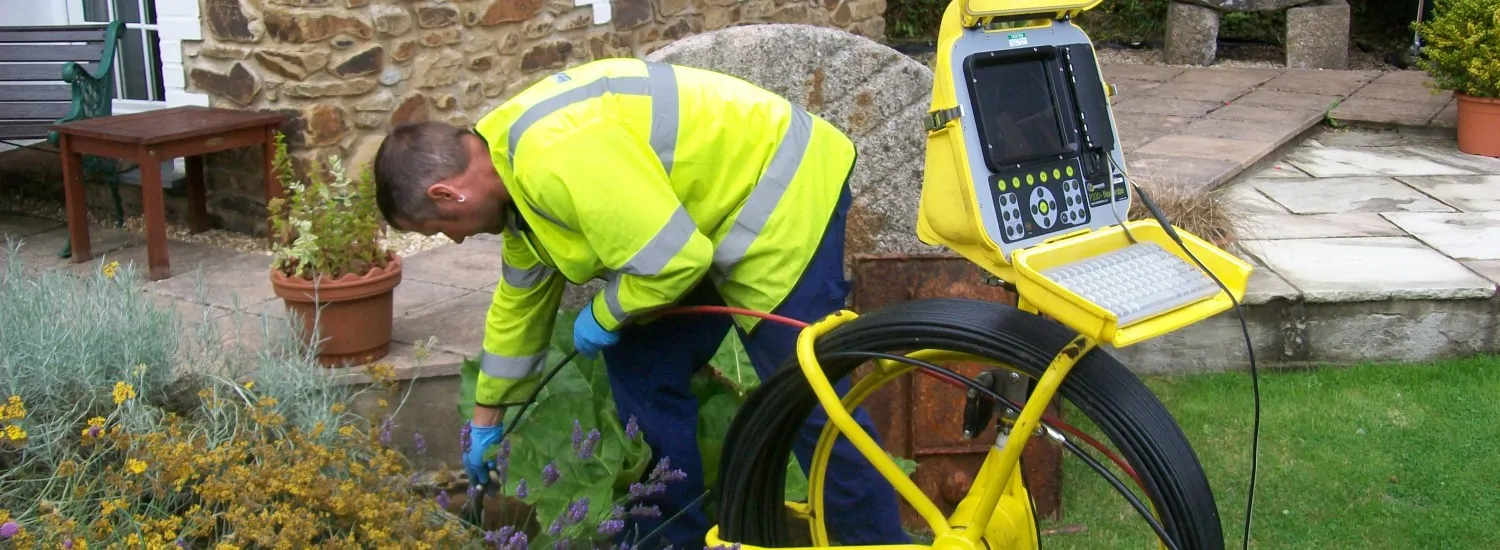
The best strategy to avoid root-related drainage issues is regular inspection and maintenance, especially for properties surrounded by mature trees. CCTV drain surveys are common in Derbyshire and allow precise identification of root ingress without invasive digging.
Planting new trees with consideration for drain locations is also important in local gardens. Selecting less aggressive species or situating trees further from drainage lines can reduce future problems. Residents in areas like Oakwood or Sinfin should consider these factors when landscaping.
Installing root barriers or protective sleeves around vulnerable pipes during garden renovations can further protect drains. Combined with routine root cutting and professional advice, these measures help maintain the health of your drainage system and prevent costly repairs.
Need a drainage expert in Derby?
Call 0800 669 6492