How to Unblock a Drain in Derby: A Step-by-Step Guide
Blocked drains are a common headache for homeowners across Derby and the wider Derbyshire area. Whether you live in the bustling town centre, quiet Allestree, or around Mickleover, a clogged drain can disrupt your daily routine and cause unpleasant smells or water backup. Knowing how to safely unblock a drain yourself can save time and inconvenience before calling in expert help.
This guide gives clear, practical steps for tackling minor blockages using simple tools and household items found in most Derby homes. We’ll also highlight signs that mean it’s best to bring in a professional drain specialist to avoid damage or worsening the problem.
Common Causes of Blocked Drains in Derby Homes
Understanding what causes blockages can make it easier to prevent and tackle them. In many Derby homes, hair, soap scum, grease, food waste, and leaves are frequent culprits in sinks, baths, and outdoor drains. Properties in leafy areas near Darley Abbey or Breadsall sometimes suffer from drains clogged with garden debris after heavy winds or rain.
Older homes around Chaddesden or Littleover may have pipes more prone to build-up or structural issues, adding to blockage risks. Additionally, heavy rainfall common in Derbyshire can overwhelm drainage systems, leading to temporary blockages or slow draining.
Using a Plunger to Clear Simple Blockages
A plunger is one of the easiest and most effective tools to try first when a drain is blocked. For sinks or toilets in Derby homes, a good plunge creates suction that can dislodge trapped debris. Ensure there’s enough water to cover the plunger’s rubber cup for a proper seal before plunging vigorously several times.
If you’re working on a basin or sink, blocking the overflow hole with a wet cloth helps concentrate the pressure. After plunging, run hot water to check if the drainage improves. Using a plunger is usually safe and avoids harsh chemicals that can damage pipes common in older Derbyshire properties.
How to Use Drain Rods for Deeper Blockages
Drain rods, often sold as flexible plastic or metal rods that screw together, can reach deeper blockages inaccessible to plungers. They are ideal when a blockage is caused by hair or debris further down the pipe, common in family homes around Oakwood or Chellaston.
To use, insert the rods gently into the drain and rotate to break through the clog. Take care not to force rods too hard as this can damage fragile pipework found in some Derby properties. Once the obstruction loosens, flush with hot water to clear residual debris.
Why Hot Water Helps and How to Use It Safely
Pouring hot water down a blocked drain can help dissolve grease, soap residue, and other build-ups, particularly in kitchen sinks where cooking oils often cause blockages. In Derby homes, using just-boiled water carefully poured slowly can soften clogs without harming older pipes.
Avoid using boiling water on PVC pipes, commonly installed in newer builds around Mickleover or Spondon, as it can warp them. Instead, opt for hot but not boiling water and repeat the process a few times, allowing the heat to break down the blockage gradually.
When You Should Call a Professional Drain Specialist
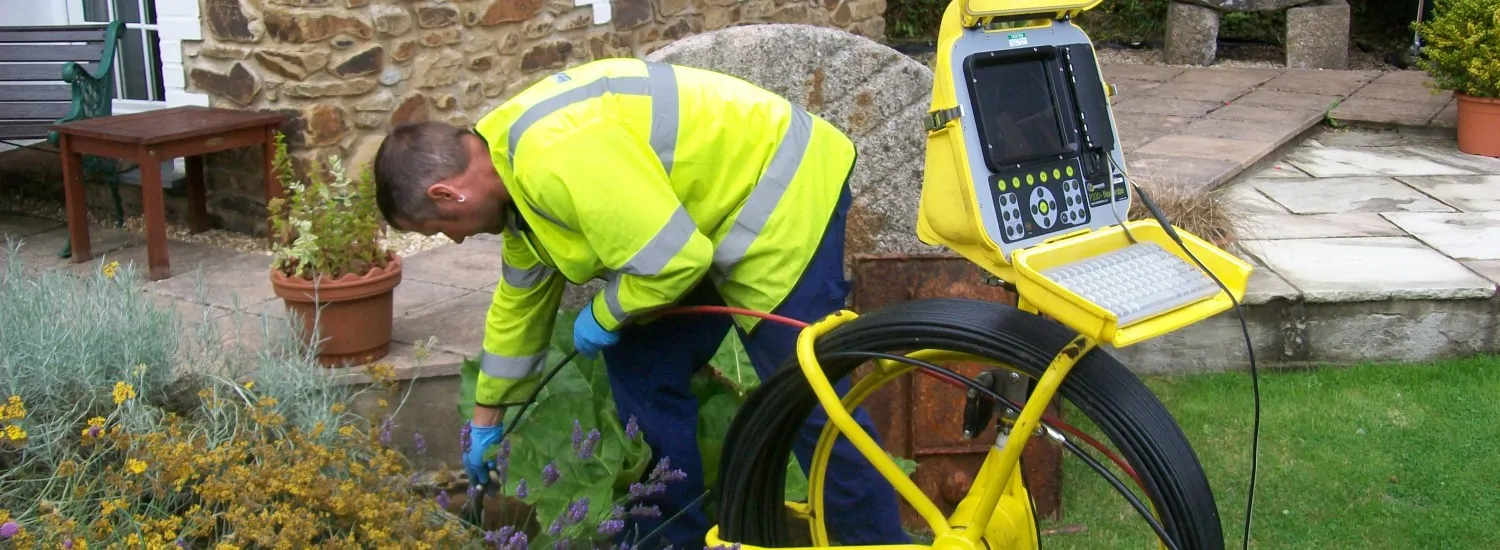
If your blocking issues persist despite home efforts or if multiple drains are affected, it’s wise to contact a professional. In Derby and nearby towns like Alvaston or Sinfin, professional drainers have the equipment to diagnose and clear tough blockages safely without risking pipe damage.
Signs to call an expert include foul odours lingering after clearing attempts, water backing up into multiple fixtures, or slow drainage occurring across indoor and outdoor drains. Ignoring these signs can lead to more costly repairs later, especially in Derbyshire’s older housing stock.
Risks of Leaving a Blocked Drain Untreated
Ignoring a blocked drain can cause serious problems including water damage, unpleasant smells, and health risks from bacteria and mould growth. In Derby’s damp climate, blockages can quickly lead to pipe leaks or flooding that damage floors and walls, particularly in basement or ground floor rooms.
Additionally, persistent blockages can cause foul odours to spread through your home, affecting comfort and air quality. In areas like Normanton or Borrowash, where older pipe systems may already be vulnerable, untreated blockages increase the likelihood of costly pipe bursts or sewage issues.
Preventing Future Blockages in Your Derby Home
Regular maintenance and good habits can help keep your drains clear. Avoid flushing items like wet wipes or grease down your sinks and toilets, which are common causes of blockages in Derby households. Installing strainers in sinks and showers can catch hair and debris before they enter pipes, especially useful in family homes around Mackworth or Duffield.
Scheduling occasional professional drain inspections can also help catch early signs of build-up or pipe damage, particularly in older properties around Derbyshire. Keeping external drains clear of leaves and garden waste prevents surface water from backing up during Derby’s frequent rain showers.
Need a drainage expert in Derby?
Call 0800 669 6492