Outside Drains and Gullies: A Guide for Derby Homes
For homeowners in Derby and the wider Derbyshire area, understanding how outside drains and gullies function is essential to maintaining a dry and safe property. These external drainage systems channel rainwater away from your home, preventing flooding and damage to foundations and gardens. Ignoring their upkeep can lead to blockages and standing water, which could cause costly problems.
This guide explains how outside drains, gullies, and channel drains operate, why they often get blocked by leaves and silt, and the best seasonal maintenance practices. We’ll also explore what standing water near your property might indicate, helping Derby residents take proactive steps to protect their homes throughout the year.
How Outside Drains and Gullies Work
Outside drains and gullies form a vital part of a home's drainage system, especially in areas like Derbyshire where rainfall can be frequent and heavy. Gullies are typically recessed openings at ground level, designed to collect surface water from drives, patios, and roads, directing it into underground pipework. This reduces the risk of puddles forming and water pooling next to your home.
Channel drains, which can be found along driveways or around patios, work similarly but cover longer stretches to intercept and guide water efficiently. They are often covered by grates, allowing water to flow down while preventing larger debris from entering. Together, these systems help control water around your property, minimising damage to both landscaping and building structures.
Why Leaves and Silt Cause Blockages
One of the most common reasons outside drains and gullies become blocked is the accumulation of natural debris such as fallen leaves, mud, and silt. Derby’s many mature trees, especially in suburbs like Allestree and Darley Abbey, shed leaves that can easily be washed into gullies during autumn rains. Over time, this organic matter clogs the grates and pipes, restricting water flow.
Silt and soil particles also settle in drainage channels, especially after heavy storms or gardening activities. When leaves combine with wet silt, they create a dense, sticky blockage that can be difficult to remove without professional tools. Blocked drains can cause water to back up, leading to flooding or unpleasant odours outside your home.
Seasonal Maintenance Tips for Derby Homeowners
Regular maintenance is key to preventing blockages in outside drains and gullies. In Derby and neighbouring towns like Mickleover, Littleover, and Spondon, the most critical times for maintenance are autumn and spring. During autumn, it’s important to clear leaves and debris from around gullies before they are washed in by rain.
In spring, focus on removing any silt and debris that has settled over winter. Use a small trowel or drain brush to clear accessible areas, then flush drains with water from a garden hose to ensure they are flowing freely. Avoid using chemicals, as these can harm local wildlife and the environment around your property.
What Standing Water Around Your Home Could Mean
If you notice persistent standing water near your driveway, patio, or garden in places like Chellaston or Alvaston, it may indicate a drainage problem. This can result from blocked gullies, damaged pipes, or poorly designed drainage systems that fail to cope with heavy rainfall.
Standing water can cause several issues including slippery surfaces, damage to foundations, and increased risk of damp or mould inside your home. If water does not drain away promptly, it’s important to investigate the cause. In some cases, regrading the land or installing additional drains may be necessary to improve water flow.
How Local Soil and Weather Affect Drainage
Derbyshire’s varied soil types, including clay-heavy soils common around Breadsall and Borrowash, affect how water drains naturally. Clay soils retain water, making effective drainage systems essential to prevent waterlogging and pooling around properties.
The region also experiences seasonal weather changes with wet winters and occasional summer storms. This variability means drains and gullies must cope with fluctuating water volumes. Regular maintenance helps ensure drainage systems remain effective under these changing conditions, preventing issues before they develop.
When to Call a Drainage Specialist
While routine cleaning can be done by homeowners, some drainage issues require professional expertise. If you have persistent blockages, foul smells, or water overflowing from gullies despite your efforts, it may be time to contact a drainage specialist based in Derby.
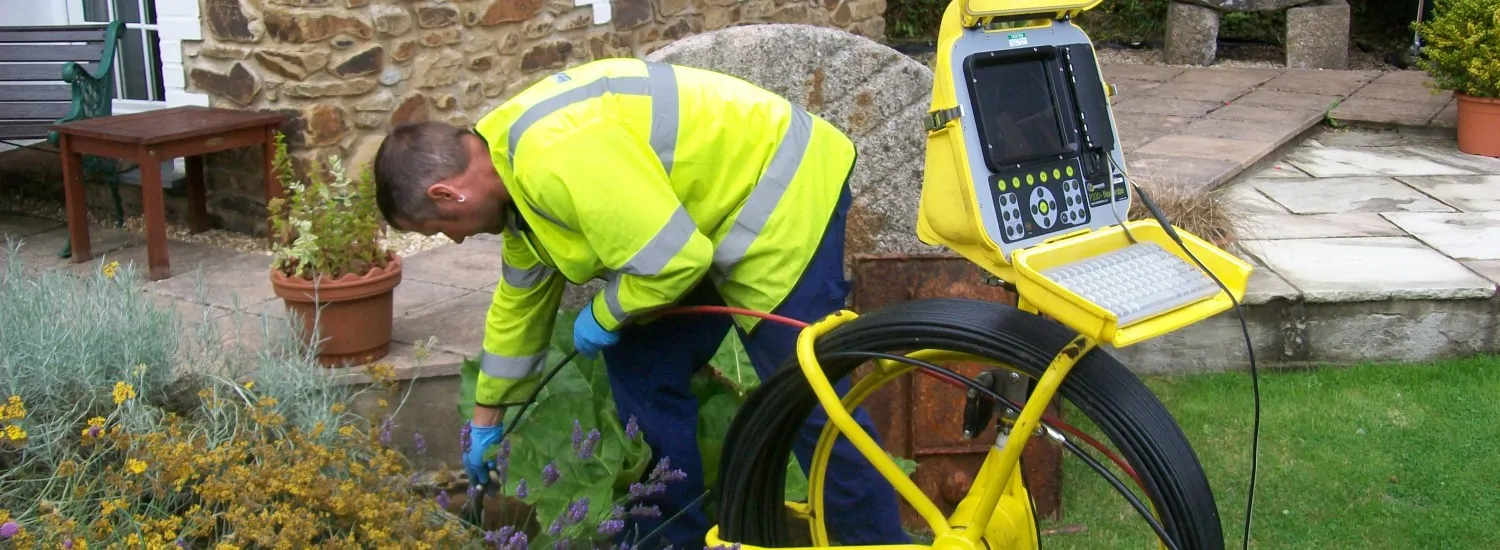
Specialists have the right equipment, such as high-pressure water jetting and CCTV drain surveys, to diagnose and clear deep blockages. They can also assess whether your system needs repairs or upgrades, especially important for older properties in areas like Mackworth or Darley Abbey where drainage layouts might not meet modern standards.
Protecting Your Home’s Drainage Year Round
Consistent attention to your outside drains and gullies throughout the year will help avoid costly repairs and inconvenience. Keeping gutters clean, trimming overhanging tree branches, and removing debris promptly will reduce the risk of leaves and silt entering your drainage system.
Consider scheduling checks after major storms or seasonal leaf fall. For homes in Sinfin, Normanton, or Oakwood, where drainage can be impacted by nearby green spaces or roads, a proactive approach ensures your property stays safe from water damage regardless of the weather.
Need a drainage expert in Derby?
Call 0800 669 6492